
18 May 2026
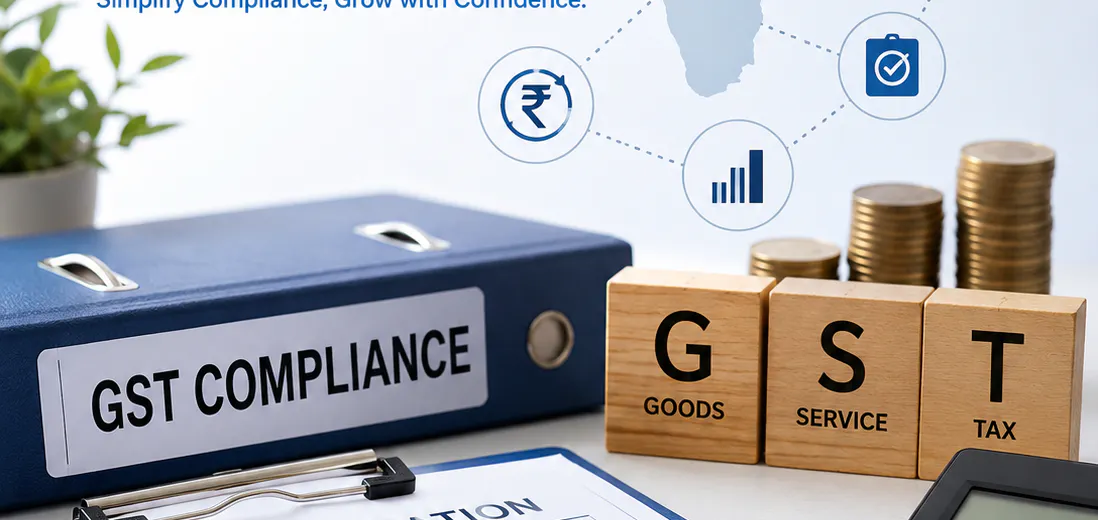
TaxationA practical breakdown of GST registration eligibility, documents, timelines, and the common mistakes that delay approval.
Key takeaways
- Check turnover, interstate supply, and e-commerce triggers early.
- Prepare address proof, PAN, bank details, and promoter KYC in one folder.
- Match legal names across PAN, Aadhaar, and bank records before filing.
When GST registration becomes mandatory
Many founders assume GST only matters after revenue starts flowing, but registration often becomes mandatory sooner. Interstate supply, selling through marketplaces, and certain service models can trigger registration even before the standard turnover threshold is crossed.
The safest approach is to evaluate the business model, billing pattern, and customer geography at the start of operations. That prevents rushed filings when a client asks for a GST invoice or when a marketplace account cannot go live without a GSTIN.
Documents that should be ready before filing
Most delays happen because businesses begin the application without first aligning their core documents. PAN, Aadhaar, registered office proof, bank account evidence, and promoter details should be reviewed together before submission.
If the registered address is rented, the rent agreement and owner NOC should be kept ready in legible format. For shared or coworking locations, address proof should clearly support the nature of occupancy.
- PAN card of the entity or proprietor
- Aadhaar and contact details of promoters
- Business address proof with supporting ownership or tenancy records
- Cancelled cheque or bank statement
Mistakes that frequently lead to objections
Applications are commonly flagged because names do not match across documents, business activities are described vaguely, or uploaded proofs are incomplete. The portal also expects consistency between the constitution of business and the supporting documents attached.
A clean application does not just depend on uploading files. It depends on whether the files, business activity description, and promoter details tell one consistent compliance story.